How to Determine if Bio-Feedback Therapy is Right for You
If you’re dealing with ongoing health symptoms that never seem

If you’re dealing with ongoing health symptoms that never seem to show up on standard medical tests, you’re not alone. Fatigue, digestive discomfort, brain fog, immune issues, or a constant sense that something is off can persist even when labs look “normal.” In many cases, the problem isn’t being missed; it simply isn’t being measured.
When standard tests don’t explain ongoing symptoms, the issue is often functional, not something traditional diagnostics are designed to catch. Microbial stress, toxins, and disrupted cellular signalling can strain the body without showing up on labs. Advanced bio-feedback therapy uses frequency-based scanning to assess how your body is responding to these hidden stressors. It doesn’t mask symptoms or promote relaxation; it identifies biological interference that may be driving imbalance.
This approach is well-suited if major conditions have been ruled out but symptoms persist. By revealing active stress patterns, bio-feedback scanning replaces guesswork with clearer, more targeted direction.
This form of bio-feedback is often confused with relaxation or stress-training techniques, but it works very differently. Instead of teaching you to control breathing, muscle tension, or heart rate, frequency-based bio-feedback evaluates how your body is responding to biological and environmental stress at a cellular level.
Every cell communicates through measurable electromagnetic signals. When your system is under strain from microorganisms, toxins, or chronic interference, those signals shift. Frequency-based scanning detects these disruptions by introducing specific frequencies and analyzing the body’s response, offering insight into stress patterns that traditional tests do not measure.
Parasites and certain bacteria can be difficult to confirm through standard stool tests or cultures, especially when they exist in dormant phases or protective biofilms. While they may evade conventional testing, they still create measurable stress responses within the body.
In these cases, bio-feedback scanning offers another layer of insight by identifying stress patterns your body is actively responding to, helping clarify whether microbes may be part of the picture. A bio-feedback scan can be especially relevant if you’re experiencing patterns like these:
Mold exposure is now widely linked to chronic respiratory issues, persistent fatigue, and cognitive symptoms like brain fog. Yet confirming its impact is often unclear. Home inspections can be costly, and allergy testing only shows immune reactions, not whether toxins are actively stressing your system.
This scanning evaluates whether your body is reacting to mold spores and mycotoxins at a functional level. Instead of measuring histamine or allergy markers, it looks for frequency patterns associated with the toxins themselves. This reveals whether mold is interfering with cellular communication and regulation.
You may suspect mold because of past water damage, poor indoor air quality, or a noticeable decline in health after a specific environment. This therapy helps confirm whether that exposure is still affecting your body today. It shifts the focus from environmental guesswork to measurable biological response.
When mold or environmental toxins are a primary stressor, progress often stalls despite lifestyle changes or supplementation. Identifying this interference allows you to address the real obstacle directly, instead of treating symptoms in isolation.
A viral infection does not always end when symptoms fade. Many people are left with persistent fatigue, weakened immunity, or a sense that their body never fully recovers. In these post-viral states, standard blood work often appears normal because the acute infection has passed, yet the disruption remains.
Post-viral fatigue is often dismissed because active infection markers are no longer detectable. That does not mean the body has fully recalibrated. Lingering viral influence can continue to strain immune regulation and energy production, keeping the system in a prolonged recovery loop.
Frequency-based bio-feedback is designed to identify the energetic imprint viruses leave behind. Each virus operates within specific frequency ranges. When those frequencies remain present, they can interfere with normal cellular communication. This scanning detects this disruption directly, even when conventional testing cannot.
If you are stuck at a recovery plateau, this scan confirms whether viral stress is still affecting your system. It replaces guesswork with clarity and supports a focused approach aimed at clearing the specific viral burden, rather than broadly treating fatigue without direction.
For many people, the testing process itself becomes a barrier to care. Needles, scopes, radiation, and invasive procedures can create anxiety or physical discomfort that discourages further investigation.
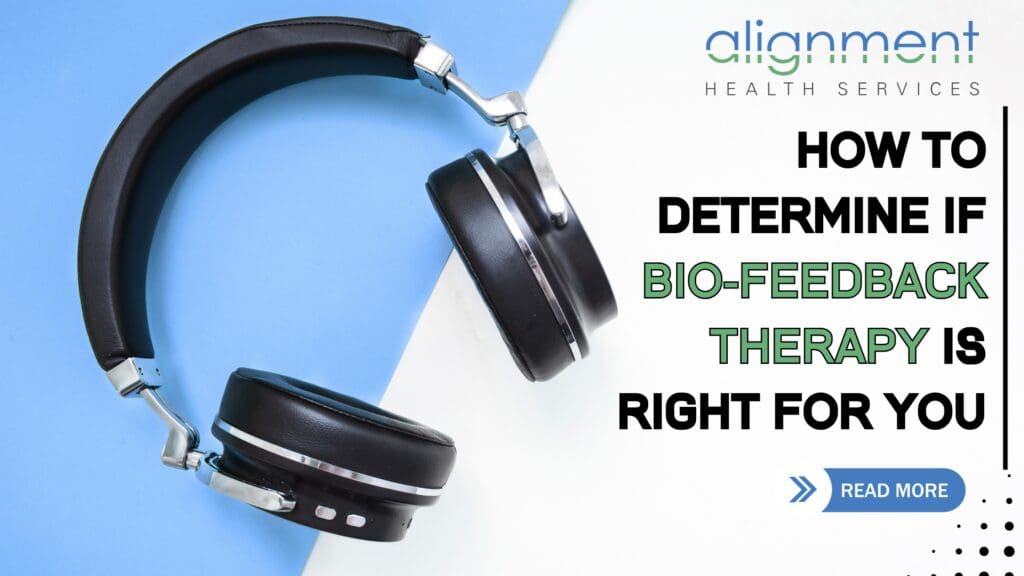
Frequency-based bio-feedback removes that barrier entirely. The scan is conducted through simple over-the-ear headphones. There are no probes, no electrodes, no blood draws, and no physical intrusion of any kind. You remain fully clothed, seated comfortably, and at ease while the system gathers data. This makes the process well-suited for children, older adults, and anyone sensitive to conventional medical environments. You gain meaningful biological insight without placing additional stress on your body.

Taking supplements does not guarantee your body can use them. Many people invest heavily in vitamins and clean nutrition, yet see little change because absorption is impaired at the cellular level.
The scanning helps clarify why supplementation may not be working. It identifies nutrient deficiencies based on cellular response, not just what appears in blood circulation. More importantly, it highlights why those deficiencies exist, whether nutrients are being blocked by toxins, diverted by microorganisms, or poorly absorbed due to internal stressors. This allows supplementation to become precise and purposeful rather than trial-and-error.
Conventional therapies often describe what you are experiencing but stop short of explaining why. This therapeutic model focuses upstream. It looks for specific biological, chemical, or environmental stressors disrupting normal function.
Instead of managing symptoms indefinitely, the scan points toward the source, whether that source is microbial, toxic, or allergenic. This approach is for people who want clarity, not just categorization.
Managing sensitivities through elimination diets and guesswork is exhausting. Standard allergy testing often misses delayed or low-grade reactions that quietly drive inflammation.
It analyzes resonance responses across a wide range of foods, chemicals, and environmental triggers. Results are delivered with relative intensity levels, helping you understand not just what your system reacts to, but how strongly. This makes it easier to prioritize changes and remove the most disruptive exposures instead of overcorrecting unnecessarily.
Many people arrive at bio-feedback after extensive testing that produces normal results despite ongoing symptoms. When blood work, imaging, and specialist evaluations fail to provide answers, the issue is often functional rather than structural.
This therapy is especially relevant when symptoms persist without a clear diagnosis, imaging shows no damage, or you want insight before a condition becomes severe enough to register on standard tests. It offers another layer of assessment focused on early disruption rather than late-stage disease.
The scan produces detailed data about biological stress patterns, giving you visibility into areas that require attention. With that information, you can choose targeted next steps, whether lifestyle adjustments, supplementation, or follow-up sessions.
This approach supports informed participation in your own health rather than blind reliance on symptom suppression.
Because bio-feedback is often used as a catch-all term, many people end up researching or booking the wrong type of service. To get meaningful results from advanced frequency-based molecular scanning, it’s important to know what this therapy is not.
Traditional bio-feedback, while helpful for stress or tension, does not identify parasites, mold exposure, viral loads, or cellular interference. Make sure the provider specializes in bio-resonance or molecular frequency scanning, not behavioural training.
This technology does not point your results towards the disease. Instead, it evaluates how your body is responding to specific biological and environmental stressors. It adds a functional layer of insight that conventional testing often misses, complementing medical care rather than replacing it.
Modern bio-resonance systems are simple and non-intrusive. There are no needles, probes, wires, or hospital-style equipment. The entire scan is conducted through specialized headphones while you remain seated and comfortable.
The procedure is designed to be straightforward, calm, and information-rich, with minimal preparation and zero recovery time required.
You sit comfortably and wear a pair of specialized over-the-ear headphones. These transmit gentle frequencies into the body and measure the resonance that returns. There is no sensation, discomfort, or physical interaction.
Over approximately 45–50 minutes, the system scans your body against thousands of biological and environmental signatures. This includes microorganisms, allergens, toxins, and nutrient markers.
Results are compiled into two lists that includes details of identified allergens along with a comprehensive breakdown of nutritional deficiencies, organized as food-based considerations. Each finding is categorized by its level of impact, helping you quickly see what may be placing stress on your system. This structured insight provides meaningful clarity around factors that may be interfering with your body’s ability to regulate, adapt, and function at its best.
Based on the findings, a targeted and individualized plan is developed and reviewed with you in person, ensuring the results are clearly understood and placed into practical context. Recommendations may include frequency-based sessions designed to help normalize disrupted responses, along with supportive guidance around lifestyle adjustments, nutritional considerations, cleansing protocols, and water-based solutions. Together, these strategies aim to support detoxification pathways, improve nutrient absorption, and promote balanced immune function, creating a thoughtful and achievable path forward.
At Alignment Health Services, we offer advanced bio-feedback and scanning to help uncover the root causes behind persistent health concerns for you. Serving Cochrane and nearby areas, we focus on turning your body’s signals into clear, actionable insight.
Reach out to book your bio-feedback session with us today!